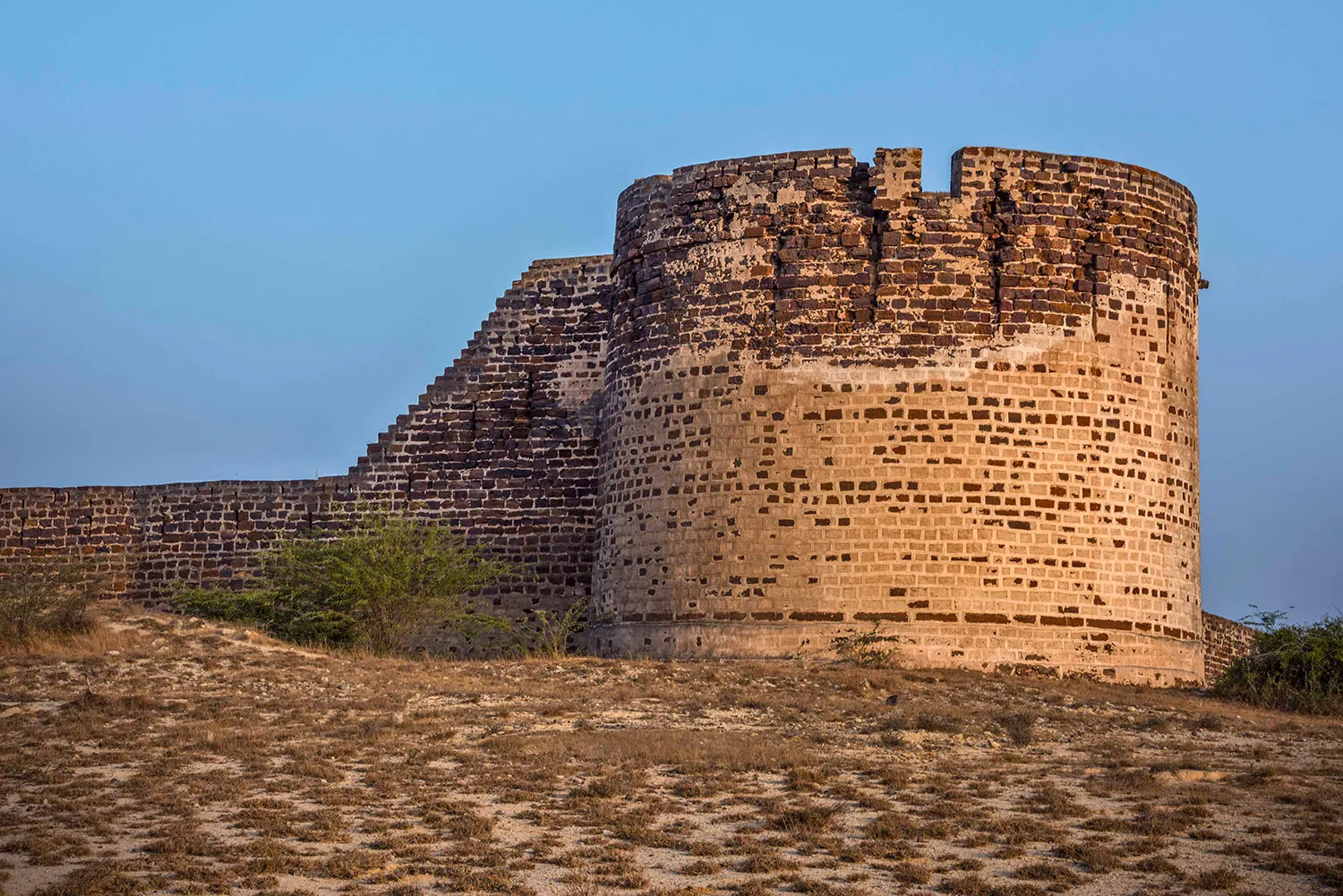
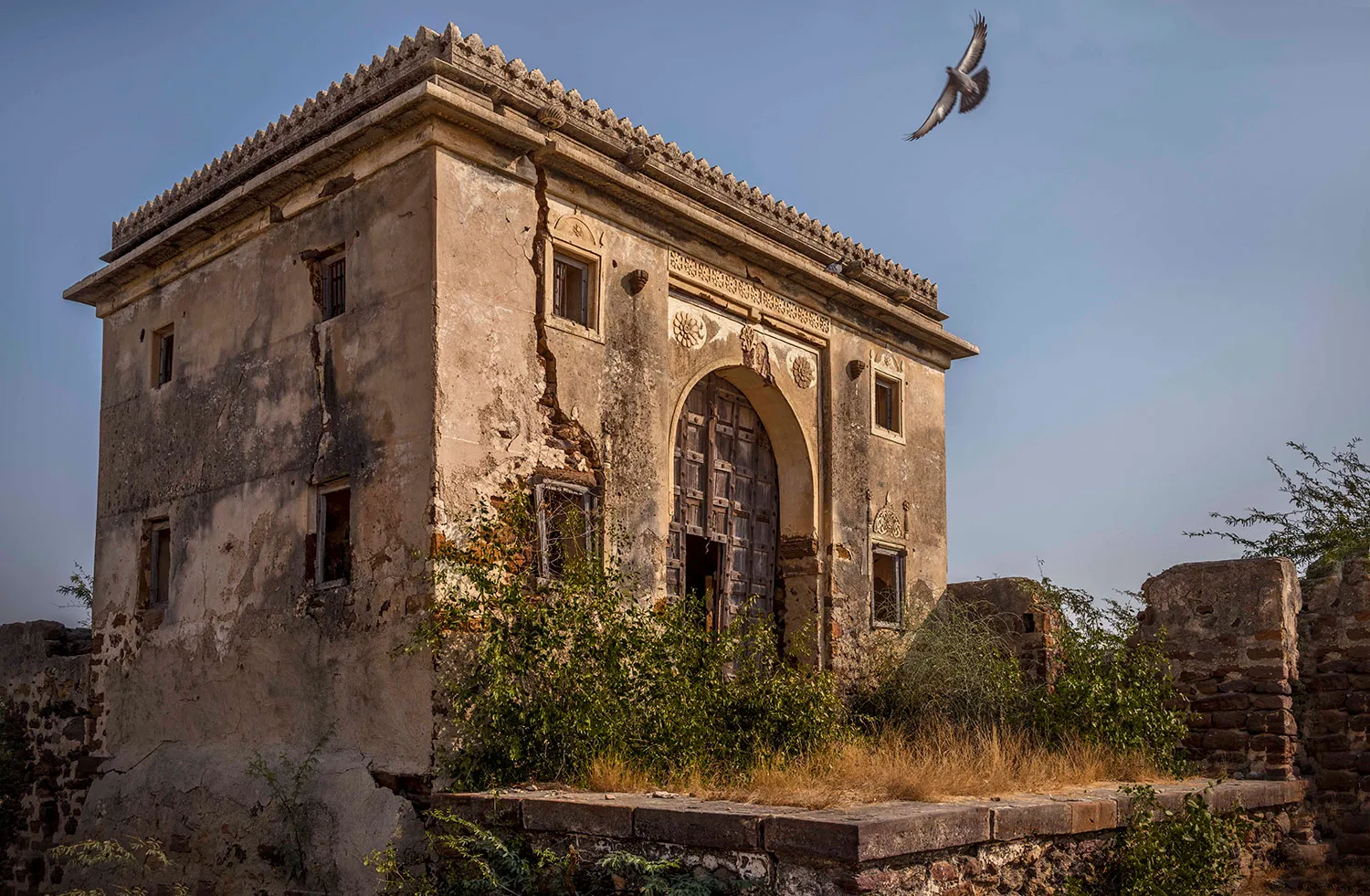
Lakhpat is a historic town in Kachchh district, Gujarat, located near the mouth of Kori Creek and enclosed by about 7 km of old fort walls. Named after Rao Lakha, it once functioned as an important trade link between Gujarat and Sindh and was known for maritime activity and agricultural revenue. In the early 19th century, Lakhpat was far more prosperous than it is today, with a much larger population and active port economy.
Its decline is closely tied to the 1819 earthquake and the formation of the Allah Bund, which altered regional water flow and weakened its port role. Over time, trade reduced and the settlement became sparsely populated, leaving behind a fortified townscape of ruins, shrines, and historic architecture. Today, Lakhpat is known for its fort walls, the tomb of Pir Ghaus Muhammad, Gurudwara Guru Nanak Darbar, and its unique position near the India-Pakistan border zone.
Who Should Visit
- Heritage Enthusiasts : Walk 19th-century fort walls and discover layers of maritime and frontier history.
- Architecture & Photography Travelers : Wide ramparts, weathered gates, domes, and dramatic desert light make this highly photogenic.
- Spiritual Circuit Pilgrims : Visit Gurudwara, dargahs, and nearby Narayan Sarovar-Koteshwar in one journey.
- Slow & Offbeat Explorers : Ideal for travelers who enjoy quiet places over crowded attractions.
- Culture-Led Visitors : Hear local oral histories and experience the unique rhythm of a border settlement.
- Day-Trip Planners from Bhuj : A strong choice if you want a long scenic drive with high heritage value.
How to Reach
- By Air : Nearest airport is Bhuj (about 120 km). Continue by hired cab or self-drive.
- By Rail : Bhuj railway station is the practical railhead; onward travel is by road.
- By Road : Private vehicle is recommended; public transport is limited for this remote route.
- Border-Zone Readiness : Carry a valid government photo ID and expect security checks in sensitive stretches.
- Essential Logistics : Fuel up in Bhuj or Nakhatrana, carry water/snacks, and keep offline maps ready.
Landmarks & Heritage
The defining monuments
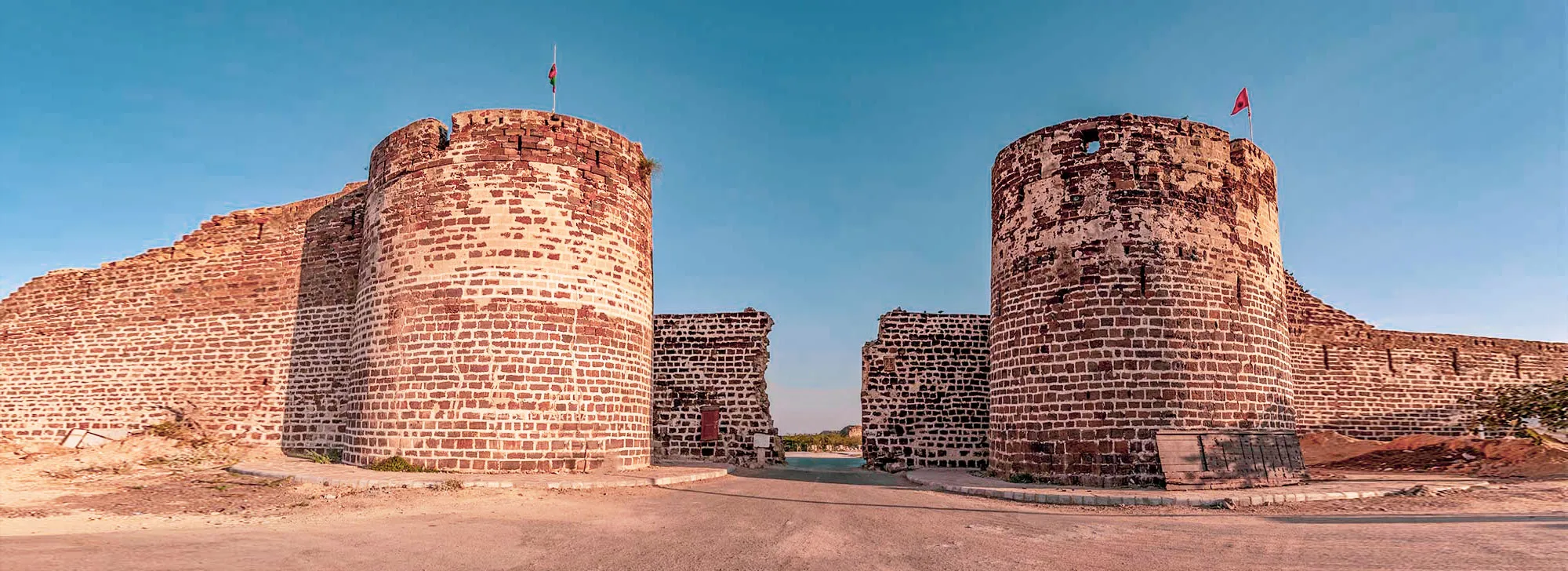
The Great Fort Walls
Walk along the extensive stone ramparts that define Lakhpat's skyline and open wide views toward Kori Creek.
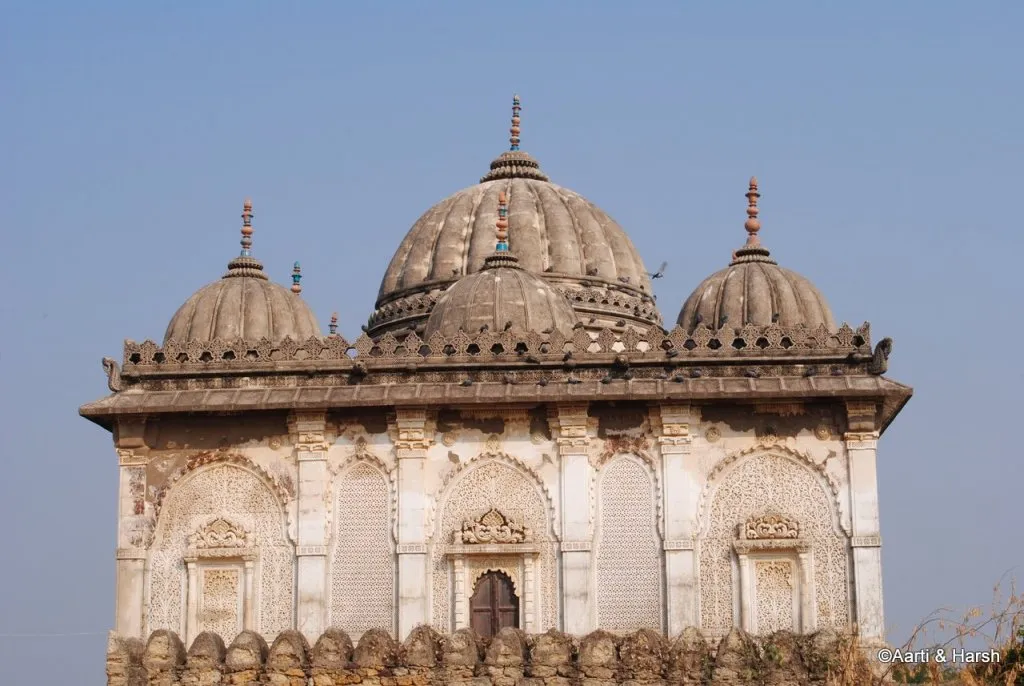
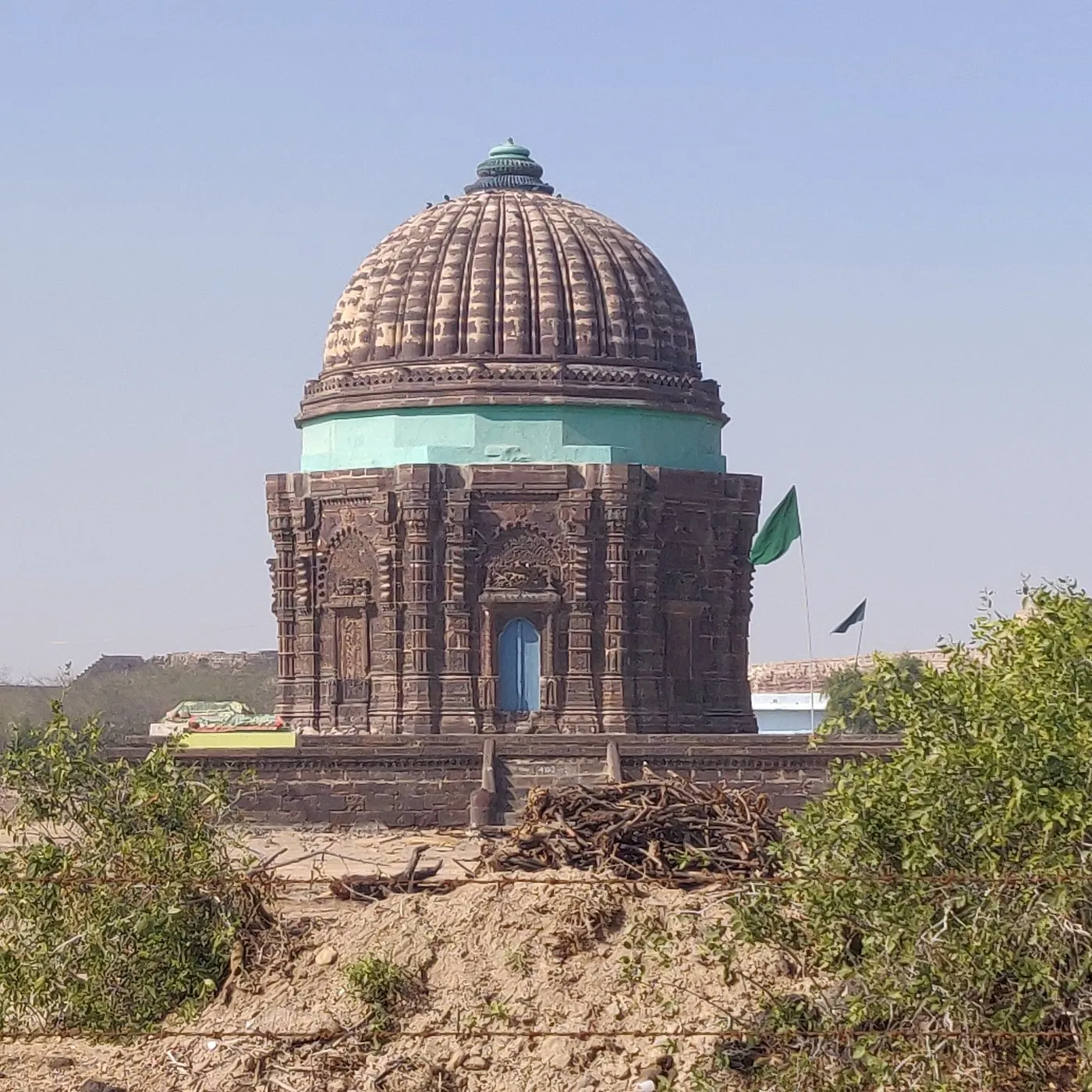
Pir Ghaus Muhammad Shrine
A major Sufi landmark known for its striking dome profile and devotional significance.
Historic Gurudwara Sahib
A peaceful Sikh site associated with Guru Nanak's travels, offering calm space and community warmth.

Kori Creek Sunset Views
End your visit at golden hour when creek haze, birds, and old walls create unforgettable frames.
Curated Local Advice
Accommodation Strategy
Lakhpat has very limited stay options. Use Bhuj or Narayan Sarovar-Koteshwar as your base and plan a focused day trip.
Documentation First
This is a sensitive border-side zone. Keep original photo ID handy and cooperate with local security procedures.
Best Timing
Visit between October and March for comfortable weather. Sunrise and sunset are best for walking and photography.
Carry Essentials
Water, snacks, sun protection, and basic medicines are important since facilities are sparse around the fort area.
Respect Sacred Spaces
Dress modestly and maintain decorum at shrines, dargahs, and Gurudwara premises.
Pair Nearby Sites
Combine Lakhpat with Narayan Sarovar and Koteshwar for a richer spiritual and coastal heritage circuit.
Shopping & Bazaars
- Local Handicraft Stalls : Small seasonal counters may offer basic souvenirs, devotional items, and local snacks.
- Shrine-Side Vendors : Around religious sites, you may find incense, prayer offerings, and simple craft goods.
- Better Craft Shopping Bases : For wider selection, shop in Bhuj, Bhujodi, or nearby craft villages before or after your Lakhpat visit.
Local Eats
- Sacred Community Kitchen : Join the warm hospitality at the Gurudwara where free meals are served to all visitors regardless of faith or background
- Ghost Town Gastronomy : Simple, authentic Kutchi meals prepared by the few remaining families who call this historic place home
- Sufi Legacy Experiences : Learn about the mystical traditions of Pir Ghaus Muhammad and the healing rituals still practiced by devotees
- Living History Stories : Meet elderly residents who carry oral histories of Lakhpat's transformation from bustling port to peaceful sanctuary
- Border Culture : Experience the unique lifestyle of frontier communities where ancient traditions blend with modern border security realities
- Archaeological Discoveries : Discover connections to the Indus Valley Civilization through recent excavations in nearby Khatiya village
When to Visit
The period from October through March offers the most rewarding experience, with daytime temperatures ranging from a comfortable 20-30°C. Lakhpat's desert location means scorching summers can reach 42°C, making exploration quite challenging from April to June. The monsoon months bring limited rainfall to this arid region, but October onwards provides perfect conditions for photography, walking the fort walls, and soaking in the profound atmosphere of this historical gem. Winter mornings are particularly magical when mist rolls in from the creek, adding an ethereal quality to the ruins.
Nearby Places to Visit
Narayan Sarovar & Koteshwar
15-20 km - Sacred lake and coastal temple circuit.
Bhuj
~120 km - Regional base for hotels, transport, and museums.
Mandvi
~80 km - Beach town with palace architecture and sea breeze evenings.
White Rann (Dhordo)
~100 km - Salt desert landscapes and seasonal Rann Utsav experiences.
Suggested Itinerary
Arrive by late morning, walk the fort walls, visit Gurudwara and shrine precincts, and leave by sunset.
Start from Bhuj early, explore major heritage points in Lakhpat, continue to Koteshwar for evening darshan, and return.
Day 1: Bhuj to Narayan Sarovar-Koteshwar. Day 2: Lakhpat fort walk, shrine trail, and creek sunset before heading back.
Location & Gallery